

The lowest rate per kilogram does not always produce the lowest air freight cost. One quote may cover only the airport-to-airport movement. Another may include pickup, handling, customs clearance, and final delivery. Cargo dimensions can also change the amount charged, even when the actual weight stays the same.
Before booking, compare the complete shipment scope—not one rate line.
What makes up an air freight quote?
The main freight rate is only the starting point. The final quote may also include:
- chargeable weight;
- minimum charge;
- fuel and security surcharges;
- cargo screening;
- origin and destination handling;
- documentation;
- pickup and delivery;
- special handling;
- storage or waiting time.
A lower rate can become more expensive when essential services are added separately. The first question should therefore be "Does this air freight quote cover the same shipment journey as the other options?"
Start with chargeable weight
Air freight pricing considers both the cargo’s weight and the space it occupies.
Airlines generally calculate volumetric weight from shipment dimensions and compare it with the actual weight. The higher figure is normally used as the chargeable weight. IATA describes a common calculation in which the shipment’s volume in cubic centimeters is divided by 6,000, although the applicable factor should always be confirmed for the quote.
For example:
- Actual weight: 180 kg
- Volumetric weight: 260 kg
- Chargeable weight: 260 kg
The rate per kilogram will be applied to 260 kg, not 180 kg.
This is why lightweight but bulky cargo—such as packaging, displays, textiles, or empty cases—may cost more than expected.
Before requesting a rate, provide:
- final carton or pallet dimensions;
- actual gross weight;
- number of pieces;
- packaging type.

If these details change after quoting, the final price may also change.
Compare the service scope
Two rates cannot be compared properly when they cover different parts of the shipment.
| Check | What to confirm |
| Chargeable weight | Is it based on final weight and dimensions? |
| Service type | Airport-to-airport, airport-to-door, or door-to-door? |
| Surcharges | Are fuel, security, and screening included? |
| Handling | Are origin and destination airport charges included? |
| Customs | Is clearance included or quoted separately? |
| Pickup and delivery | Are the exact addresses covered? |
| Transit time | Does it include handling and final delivery? |
| Validity | Until what date can the rate be booked? |
A quote that includes the complete door-to-door movement may look more expensive at first but cost less than an airport-only rate after local charges are added.
Check what “transit time” means
A short flight time does not automatically mean a short delivery time.
The quoted transit time may refer only to the air leg. Calculate distance and transit time for airfreight and ensure the complete shipment still includes:
- origin pickup;
- terminal handling;
- cargo acceptance and screening;
- flight departure;
- possible connections;
- destination handling;
- customs release;
- final delivery.
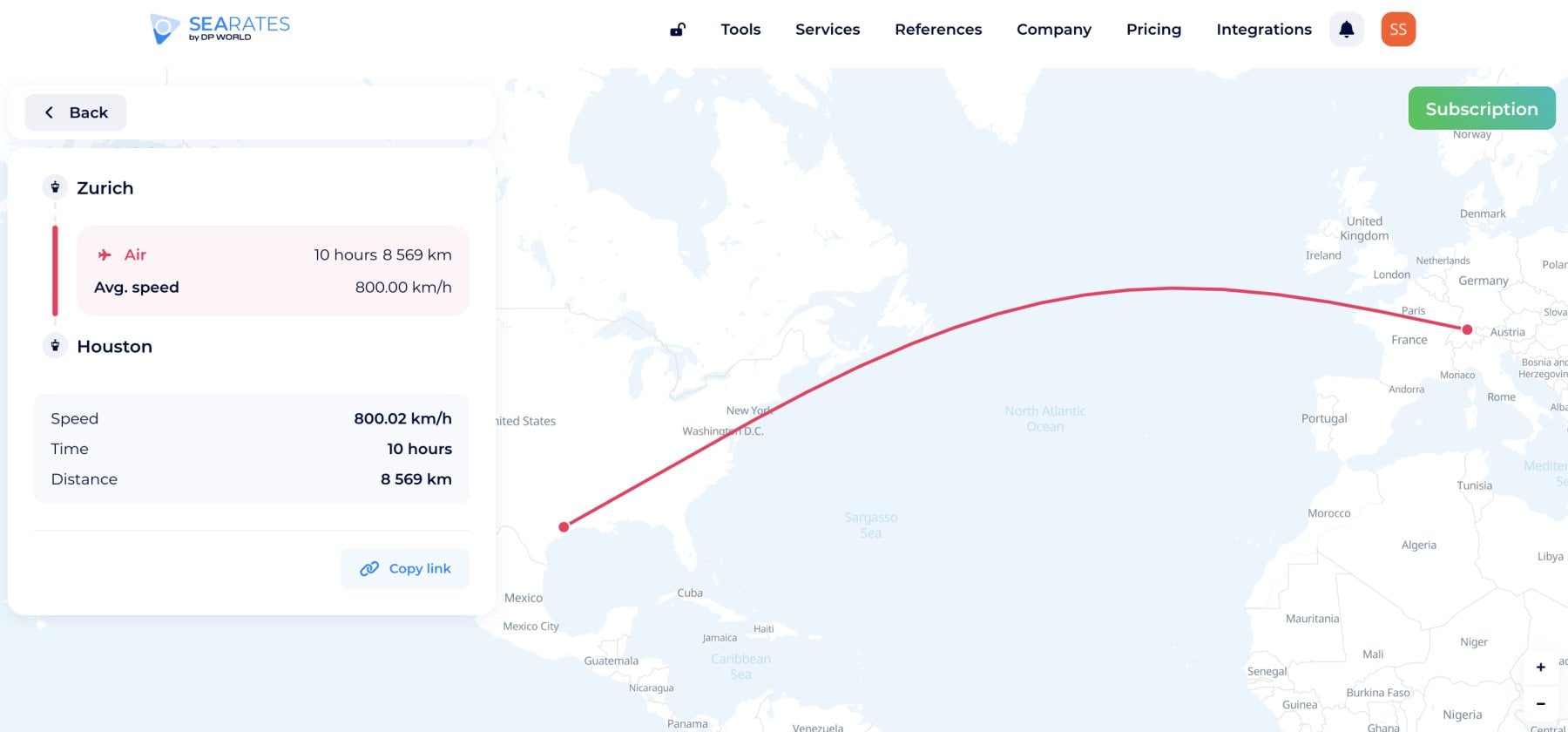
Ask whether the stated transit time covers airport arrival or delivery to the consignee.
This matters most for production parts, launch cargo, urgent repairs, and other shipments connected to a fixed deadline.
When is the lowest rate not the best option?
Consider two quotes for the same shipment.
- Quote A has a lower rate per kilogram but excludes destination handling, customs clearance, and final delivery.
- Quote B has a higher rate but includes the complete airport-to-door service.
Quote A is not necessarily cheaper. It only shows a smaller part of the cost.
Before selecting either offer, calculate:
Main freight + surcharges + handling + customs services + pickup + delivery
This gives a more useful comparison than the rate per kilogram alone.
Decide how much cargo actually needs to fly
Urgent cargo does not always mean the entire order must move by air.
A company may need only enough stock to:
- restart production;
- meet a launch date;
- complete an urgent repair;
- prevent a customer order from being cancelled.
The critical quantity can move by air while the remaining cargo moves through a lower-cost service.
Useful options include partial air shipment, air and ocean split, priority air for critical units, and deferred air for less urgent cargo.
Before accepting a full-air quotation, confirm which items are connected to the immediate deadline.
Confirm cargo data before accepting the quote
A fast quote based on incomplete information is still a provisional quote.
The provider needs accurate details about:
- cargo dimensions;
- actual weight;
- number of pieces;
- commodity;
- cargo-ready date;
- pickup and delivery addresses;
- special handling requirements.
The commodity matters because some shipments require additional acceptance checks, packaging, screening, or handling.
The quote should clearly state whether it is based on estimated or final cargo details. Changes to dimensions, weight, route, or service scope may require repricing before booking.
Watch for minimum charges and weight breaks
Small shipments may be subject to a minimum freight charge. In that case, multiplying the rate per kilogram by the shipment weight will not produce the final price.
Real market quotes and offers can also use different weight breaks. A provider may apply separate rates for shipments above selected chargeable-weight levels.
When comparing offers, confirm:
- the applicable weight break;
- the minimum charge;
- whether the quoted rate applies to the confirmed chargeable weight;
- whether a change in dimensions moves the shipment into another pricing level.
Rate-management systems commonly structure air freight prices by route, commodity, minimum price, weight levels, validity, and service type rather than storing only one general rate.
Check surcharges and handling
Surcharges can significantly affect the final amount.
Common quote lines include fuel surcharge, security surcharge, screening, freight documentation, terminal handling, transfer or connection handling, special cargo handling, and peak-season charges.
Ask whether each charge is:
- included in the quoted total;
- shown as a separate fixed amount;
- calculated per kilogram;
- payable at origin or destination;
- subject to change before departure.
This is particularly important when comparing a fixed all-in offer with a base rate that has several variable additions.
Airport arrival is not final delivery
When tracking shows that cargo has arrived, the shipment may still be under airport handling or waiting for customs clearance.
Typical milestones include:
- cargo accepted;
- departed from origin;
- arrived at destination;
- under handling;
- customs pending or released;
- collected for delivery;
- delivered to the consignee.
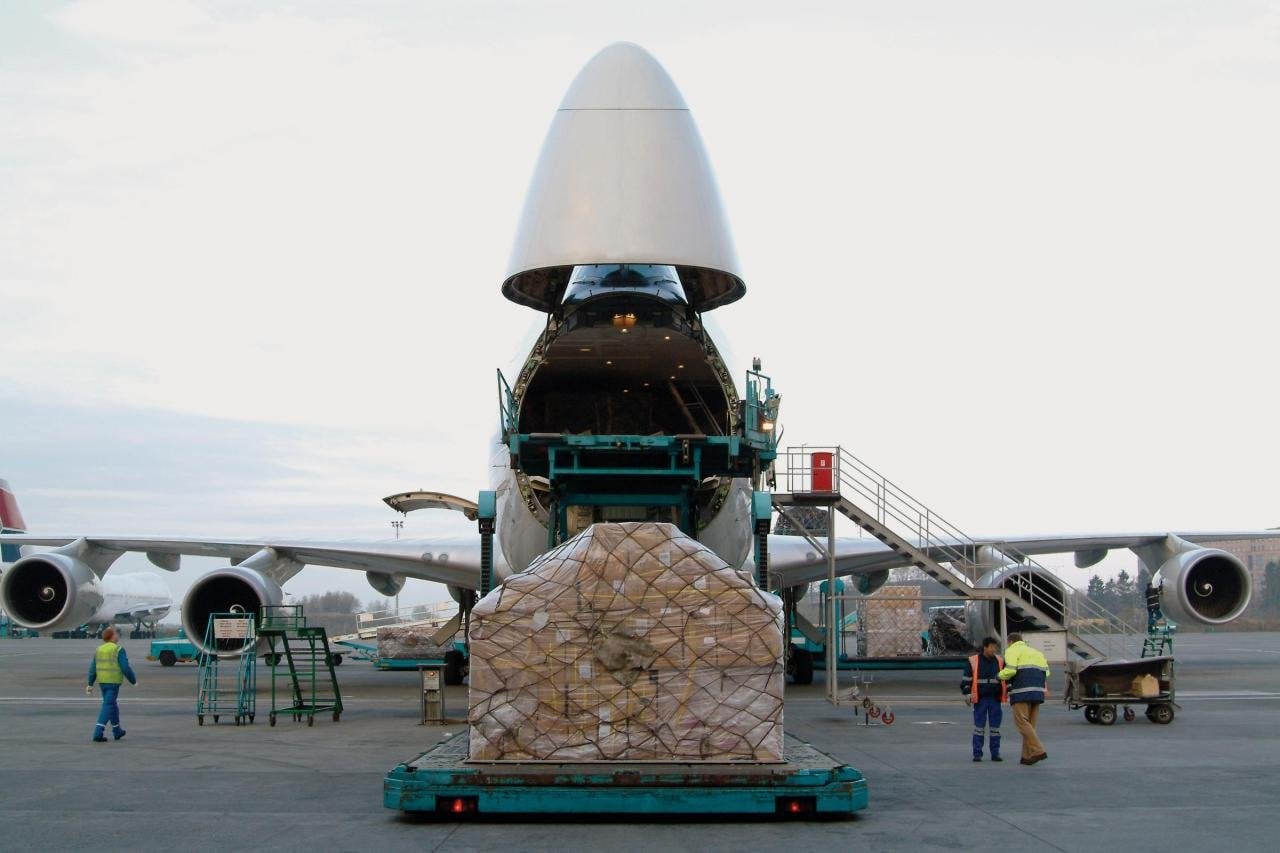
Air cargo tracking can provide status and shipment-event visibility, but the quote must still confirm whether post-arrival handling and final delivery are included. For a door-delivery requirement, compare the complete door-to-door cost and delivery estimate.
How to compare air freight quotes?
Use the same shipment information for every request. Send each provider:
- identical origin and destination addresses;
- final dimensions and weight;
- the same commodity description;
- one cargo-ready date;
- the required delivery deadline;
- the same service scope;
- any special handling instructions.
Then review three points:
1. What weight is being charged?
Confirm the actual, volumetric, and final chargeable weight.
2. What is included?
Check freight, surcharges, handling, customs, pickup, and delivery.
3. Can the service meet the deadline?
Compare the complete transit—not only the scheduled flight time.
A clear comparison should show the total quoted cost, service scope, and delivery expectation on the same basis.
How to reduce air freight costs?
The best saving is not always a lower rate. You may reduce the final cost by:
- confirming dimensions before quoting;
- reducing unnecessary packaging volume;
- sending only urgent units by air;
- comparing door-to-door rather than incomplete airport rates;
- preparing customs documents before arrival;
- avoiding preventable storage and waiting time;
- selecting a service level that matches the real deadline.
Reducing dimensions can be particularly valuable for low-density cargo because volumetric weight may determine the charge.
FAQ
How are air freight charges calculated?
Air freight is usually priced using chargeable weight: the higher of actual weight and volumetric weight. The final amount may also include minimum charges, surcharges, handling, customs services, pickup, and delivery.
Why is volumetric weight used?
Aircraft space is limited. Volumetric weight accounts for the space occupied by lightweight but bulky cargo.
What should an air freight quote include?
It should show the chargeable weight, freight rate, minimum charge, surcharges, handling, service scope, transit time, validity, and exclusions.
Is airport-to-airport cheaper than door-to-door?
Its quoted total may be lower because it covers less of the shipment. Destination handling, customs clearance, and delivery may still need to be added.
Is the lowest rate per kilogram the best quote?
Not necessarily. The best quote is the one that meets the required delivery time and shows the clearest total cost for the complete service.
Final takeaway
Compare air freight quotes by chargeable weight, total cost, service scope, and delivery time—not by rate per kilogram alone.
Confirm the cargo data first, then compare offers on the same basis. To review current air freight options or arrange a complete shipment, submit your route, dimensions, weight, and delivery requirements by leaving your shipping request to our team.