

Air freight quotes can be approved in minutes. At the same time, incorrect booking can take days to fix and it's the biggest challenge for urgent cargo.
Logistics planning has to move fast because the shipment matters: spare parts are needed, samples must reach a customer, retail stock is late, or production cannot wait. But if the booking is built on incomplete or incorrect cargo data, the speed disappears quickly.
You may face spontaneous challenges: Does your shipment get quoted at one weight and booked at another? Is the cargo not ready for pickup or does the commodity need special handling? Even the airport-to-airport offer may not include delivery. Or the final dimensions may change after the airline space is requested.
Let's prevent these issues caused by common assumptions step-by-step. We'll break down how to clean the handoff from quote to booking before cargo departs:
1. Quote approval is not the same as booking readiness
A quote answers: What could this shipment cost? A booking answers: Can this cargo actually move on this service? Those are not the same question.
| Stage | Main question | Risk if skipped |
| Quote | What will it cost? | Price may be based on estimates |
| Booking request | Can the space be secured? | Cargo data may not match airline requirements |
| Cargo acceptance | Is the shipment ready to fly? | Screening, documents, or handling may delay movement |
| Departure | Did the cargo make the flight? | ETA may shift if cut-off is missed |
| Arrival | Can cargo move after landing? | Delivery may still depend on handling and release |
By following the process, your booking will move forward when the cargo details support the quote.
2. Start with the cargo-ready date
The first booking risk is not always price but about timing. Air freight depends on cut-off times, cargo acceptance, screening, flight availability, and airport handling. If the cargo ready date changes after the quote, the available route may also change.
A shipment that was quoted for today’s flight may not work tomorrow. A next-day pickup may miss the cut-off. A weekend or holiday can change the real departure plan.
Instead of asking only, “What is the transit time?”, teams should confirm:
| Timing detail | Why it matters |
| Cargo ready date | Determines which flight options are realistic |
| Pickup time | Affects airport cut-off |
| Export cut-off | Missing it can shift departure |
| Flight departure | Confirms when cargo can leave |
| Arrival time | Does not always mean ready for delivery |
| Delivery requirement | Decides whether airport-to-airport is enough |
Question to ask before booking: Is the cargo physically ready, packed, labeled, and available for pickup within the quoted time window?
3. Confirm dimensions before the quote becomes a booking
Estimated dimensions are one of the fastest ways to create booking changes.
Air freight pricing depends on chargeable weight, and chargeable weight depends on both actual weight and volumetric weight. If cartons, pallets, crates, or packaging change after the quote, the booking may need to be repriced.
This matters most when cargo is light but bulky, non-stackable, irregular, fragile, or packed in oversized cartons.
Depends on your cargo data for actual weight to confirm total gross weight; length, width, height per piece or pallet for dimensions; number of pieces due to cartons, pallets, crates, or units; confirm whether the cargo can be stacked safely for stackability; carton, pallet, crate, roll, or irregular item for package type. For the final packing, confirm if the cargo is already packed or still being prepared.

If dimensions are not final, the quote should be treated as a working estimate, not a booking-ready cost.
What happens if dimensions change after booking? The chargeable weight, rate, available aircraft space, and total cost may change. In some cases, the cargo may no longer fit the booked service.
4. Check what the quote actually covers
Many air freight misunderstandings come from service scope.
One quote may be airport-to-airport. Another may include pickup, export handling, import customs, and delivery. Both may be called “air freight”, but they do not cover the same journey.
Take a look at the services' scope breakdown of what they usually mean for your air logistics:
- Airport-to-airport (air leg only, with limited ground services)
- Door-to-airport (pickup and export movement included)
- Airport-to-door (import side and delivery included)
- Door-to-door (full movement from shipper to consignee)
- Express / courier (different network, often parcel-style handling)
Before booking, the team should check whether pickup, screening, handling, customs, delivery, and special services are included or quoted separately.
The cheapest quote is not always wrong. It just needs to be compared against the same scope.
5. Make sure the commodity is accepted
Not every cargo can fly the same way.
Some products need special documents, handling, approvals, packaging, labeling, or airline acceptance. The issue may be dangerous goods, lithium batteries, temperature-sensitive cargo, high-value goods, oversized cargo, liquids, powders, food, pharma, chemicals, or restricted items.
| Cargo type | What to check before booking |
| Lithium batteries | Airline acceptance and documentation |
| Temperature-sensitive cargo | Handling, packaging, and route timing |
| High-value goods | Security and service level |
| Dangerous goods | DG declaration, packing, labels, acceptance |
| Oversized cargo | Aircraft and handling limits |
| Food / pharma | Certificates, permits, or temperature needs |
| Fragile cargo | Packaging and handling instructions |
A quote is not useful if the cargo cannot be accepted under the expected service.
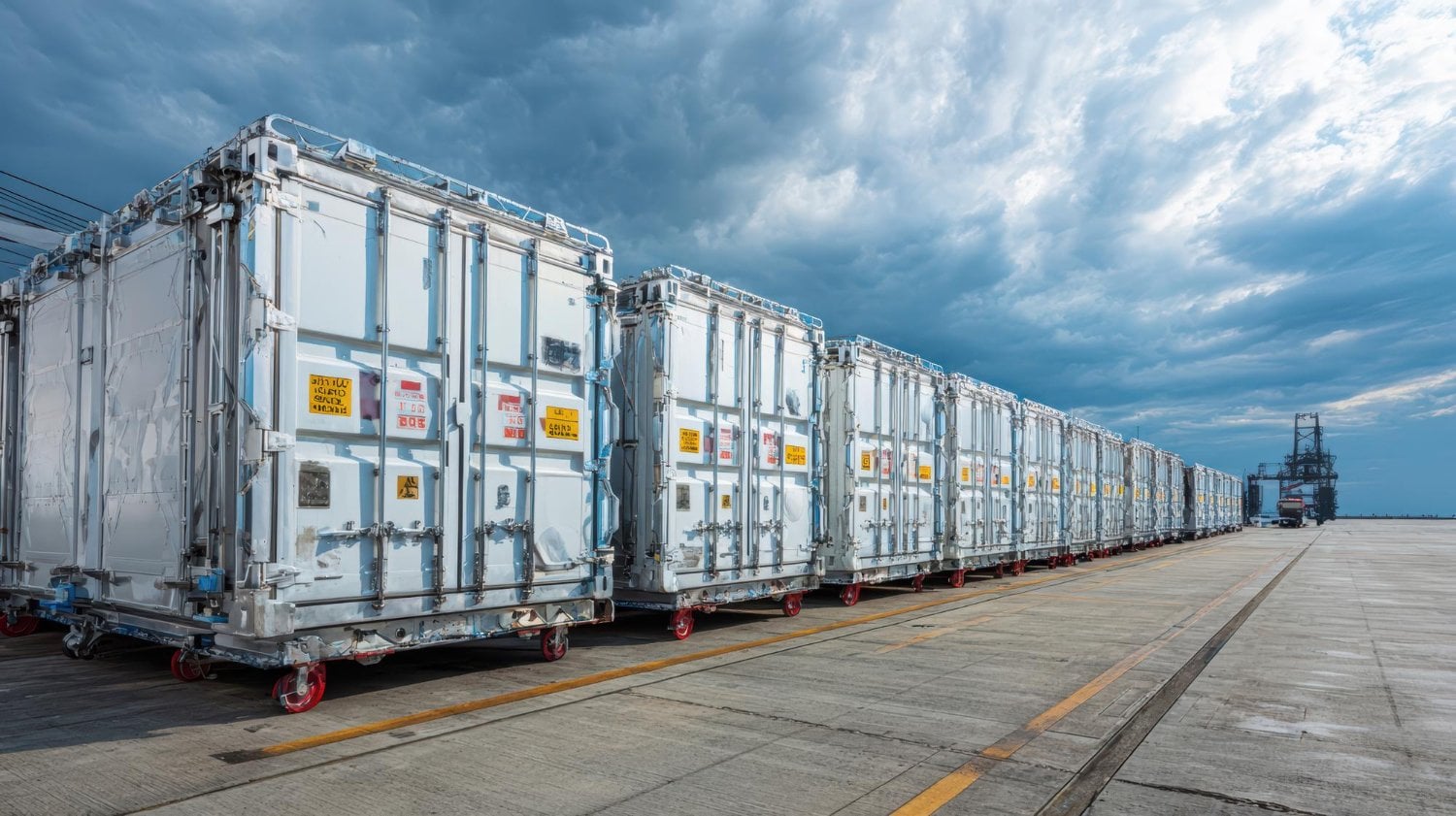
Question to ask before confirming space: Has the commodity been checked for airline acceptance, restrictions, and special handling?
6. Do not leave pickup and delivery as “later”
Air freight is fast in the air, but delays often happen before and after the flight. If pickup details are incomplete, cargo may miss the cut-off. If delivery details are missing, the shipment may arrive at the destination airport without a clear final-mile plan.
Please note the following ground details and how they affect your bookings:
- Pickup address (determines origin trucking time)
- Contact person (needed for collection)
- Loading access (affects pickup success)
- Cargo ready time (must match cut-off)
- Delivery address (needed for door service)
- Receiving hours (prevents failed delivery)
- Special delivery notes (important for high-value, fragile, or restricted cargo)
For urgent shipments, the ground leg can be the difference between making the flight and missing it.
7. Confirm documents before the AWB is issued
The air waybill is central to the air cargo shipment, but it should not be created from incomplete or inconsistent data.
The team should confirm the shipper, consignee, notify details, commodity description, pieces, weight, dimensions, service terms, and special handling notes before AWB data is finalized.
There is AWB data you should monitor and confirm, including shipper and consignee details to control shipment identity, origin and destination airports data that must match routing, commodity description used for handling and compliance, pieces and weight that must match cargo acceptance, special handling codes that affect airport and airline processes, payment terms needed for billing and release, and references required for customer support and internal tracking.
If the AWB is issued with incorrect data, the team may spend valuable time correcting documents while the cargo is already under time pressure.
Difference between ETA, ATA, and delivery
A common air freight mistake is promising delivery based on flight arrival. ETA and ATA are useful milestones, but they do not mean the shipment has reached the consignee.
| Milestone | What it means |
| ETA | Estimated time of arrival |
| ATD | Actual time of departure |
| ATA | Actual time of arrival |
| Available for pickup | Cargo can be collected after handling/release |
| Delivered | Cargo reached the consignee |
A shipment can land on time and still wait for handling, documents, customs, payment, or delivery coordination.
For the constisnet process, you can check and monitor events such as ETA, ATD, ATA, aircraft data, the current location of your cargo or parcels, and route history in live mode.
A short booking-readiness check
Use the Check & Booking-ready answer before confirming air cargo space:
- Cargo ready date — Confirmed
- Final dimensions — Confirmed
- Actual weight — Confirmed
- Chargeable weight — Confirmed or understood
- Commodity — Accepted for air transport
- Packaging— Suitable for handling and flight
- Pickup — Address, time, contact confirmed
- Delivery — Scope and address confirmed
- Documents — AWB data and commercial docs ready
- Special handling — Confirmed with provider
- Quote scope — Inclusions and exclusions understood
- Tracking — AWB/status monitoring plan ready
This way, you can prevent the most common gap: a quote that looks approved but is not operationally ready.
Customer update examples
Cargo data is not final yet
"We can proceed with a preliminary air freight quote, but the final booking depends on confirmed dimensions, weight, and cargo ready time."
Commodity needs acceptance check
"Before confirming the booking, we are checking airline acceptance and handling requirements for this commodity."
Quote is airport-to-airport only
"This quote covers the air leg only. Pickup, customs, destination handling, and final delivery should be confirmed separately before booking."
Flight arrival is not final delivery
"The flight ETA shows expected airport arrival. Final delivery will depend on cargo handling, release, and inland delivery after arrival."
Final takeaway
Air freight is fast only when the booking process is clean. Your freight quote may look ready, but the shipment still needs confirmed cargo data, accepted commodity details, clear service scope, pickup timing, delivery instructions, and accurate documents before it can fly.
A one-time urgent shipment can be managed manually, but repeated air freight requests are different. Re-entering the same data across emails and spreadsheets increases the chance of mistakes.
The best air freight workflow does not slow supplies down. It connects quote details, cargo readiness, booking timing, AWB updates, live tracking, and delivery planning into one clean handoff before the shipment reaches the airport.
FAQ
What should be confirmed before booking air freight?
Logistics operational teams should confirm cargo ready date, final dimensions, actual weight, chargeable weight, commodity acceptance, packaging, pickup details, delivery scope, documents, special handling, and quote inclusions.
Is an air freight quote the same as a booking?
No. A quote estimates cost and service options. A booking confirms that cargo can move under specific flight, service, handling, and documentation conditions.
What information is needed for an air cargo booking?
Typical booking data includes shipper and consignee details, origin and destination, cargo description, pieces, weight, dimensions, ready date, service scope, special handling, and shipping documentation details.
Why can an air freight booking change after quote approval?
A booking can change if cargo dimensions, weight, ready date, commodity details, service scope, or special handling requirements change after the quote.
Does airport arrival mean cargo is ready for delivery?
No. After airport arrival, cargo may still need handling, customs clearance, payment, release, pickup, and final delivery.
How can teams reduce air freight booking mistakes?
Teams can reduce mistakes by using confirmed cargo data, comparing quotes by service scope, checking commodity acceptance, preparing documents before booking, and tracking shipment milestones after departure.