

Air freight is becoming more important for shippers who require faster delivery options for high-value cargo, e-commerce shipments, production components, pharmaceuticals, electronics, and other time-critical goods.
In June 2026, two market updates showed this direction clearly. Kuehne+Nagel expanded its own-controlled air freight network by adding Frankfurt to its Inspire aircraft rotation. FedEx and China Southern Air Logistics also signed a strategic cooperation agreement focused on network planning, fleet resources, digitalization, and hub connectivity.
These updates are not only about new routes or partnerships. They show that air freight planning is becoming more connected, more controlled, and more focused on reliability and freight monitoring. Let’s discover how to select an air freight option that can meet the delivery deadline with the right balance of speed, capacity, cost, and risk.
Air freight market updates in June 2026
| Market update | What changed? | Why does it matter? |
| Kuehne+Nagel network expansion | Frankfurt was added to the Inspire aircraft rotation | Better connectivity across North America, Europe, and Asia |
| New Inspire rotation | Atlanta, Chicago, Frankfurt, Liège, Sharjah, and Taipei are connected | Stronger access to transatlantic and Asia–Europe trade lanes |
| Focus on high-value cargo | Supports pharma, aerospace, high-tech, semiconductor, and cloud infrastructure cargo | More reliable options for sensitive and urgent shipments |
| FedEx and China Southern Air Logistics MoU | Cooperation in network planning, fleet resources, digitalization, and hub connectivity | Stronger China-linked air cargo and express options |
| Cross-border trade growth | China-related routes remain important for e-commerce and manufacturing | More options for international air cargo flows |
These moves show one clear trend: major logistics players are building stronger air freight networks because shippers need more reliable options for urgent and high-value cargo.
The importance of air freight networks are expanding
Air freight is no longer only an emergency option. For many companies, it is now part of regular logistics planning. When ocean freight is too slow, inventory is low, or a delivery deadline is strict, air cargo can protect the supply chain.
The main reasons behind this growth are:
- higher demand for fast e-commerce delivery;
- more high-value cargo moving globally;
- tighter production and replenishment timelines;
- stronger need for controlled capacity;
- growth of pharma, high-tech, aerospace, and semiconductor shipments;
- more focus on hub connectivity and digital planning;
- supply chain risks that make speed more important.
For shippers, this means air freight should not be judged only by price. It should also be compared by routing, confirmed capacity, transit time, handling quality, customs readiness, and final delivery risk.
New air cargo partnerships are reshaping route control
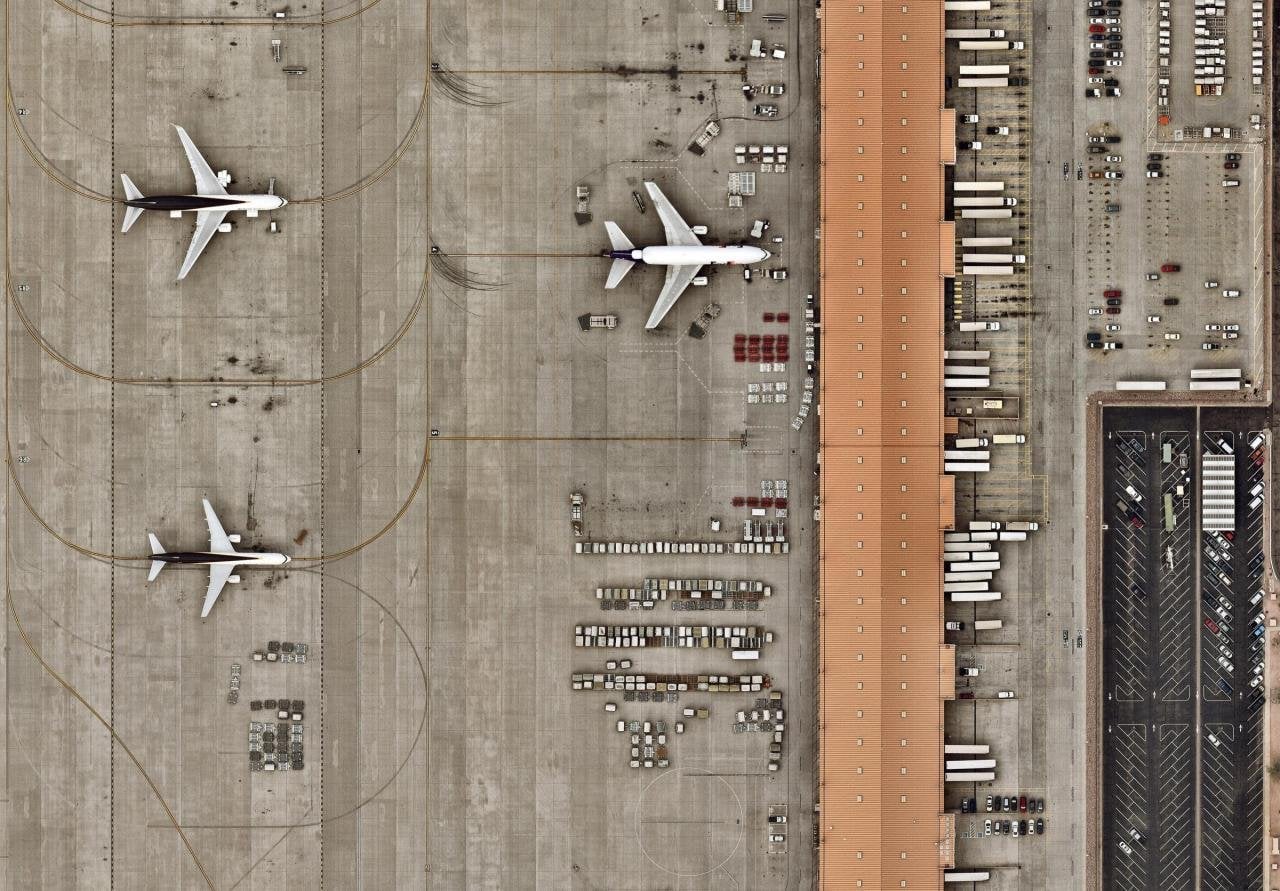
More connectivity means more than more airports. Kuehne+Nagel’s addition of Frankfurt to its Inspire aircraft rotation in June 2026 strengthens connections across key transatlantic and Asia–Europe trade lanes. The updated rotation links Atlanta, Chicago, Frankfurt, Liège, Sharjah, and Taipei, giving shippers more structured access to important air cargo gateways.
At the same time, the strategic Memorandum of Understanding between FedEx and China Southern Air Logistics highlights the growing importance of China-linked cargo flows. For cross-border e-commerce, express shipments, manufacturing cargo, and international air freight, proper network planning, fleet resources, digitalization, and hub connectivity matter.
For shipping operations, the value of these developments is not only broader airport coverage. It is also better routing flexibility, stronger hub connectivity, more reliable capacity access, and improved route control. When cargo is urgent, expensive, or sensitive, the lowest rate is not always the safest choice. In many cases, a stronger network can protect both delivery performance and cargo value.
What to check before booking air freight?
Air freight can save time, but it can also become expensive if the full cost and route are not checked. A cheaper option may not be better if it creates delays, weak visibility, or final-mile problems.
Before booking, shippers should check:
- the all-in airfreight rate, not only the base rate;
- fuel, security, handling, and destination charges;
- airport-to-airport and door-to-door transit time;
- routing and number of handovers;
- confirmed capacity for time-critical cargo;
- customs documents and cargo requirements;
- final-mile delivery tracking.
This is important because fast air transport can lose its advantage if customs paperwork is missing, the route has too many handovers, or the final delivery is not ready.
When air freight becomes the right commercial decision
Air freight makes commercial sense when speed helps avoid costs that are higher than the price of faster transport. If ocean freight is too slow for a production plan, customer deadline, retail launch, or urgent replenishment, the decision should not be measured only against the original ocean freight budget.
The real comparison is air freight cost versus the business impact of delay, such as:
- lost sales
- production downtime
- missed customer deadlines
- retail launch delays
- stockouts
- contractual penalties
- damage to customer relationships
Air freight is also the stronger option when route control, visibility, and cargo security are critical. For high-value or sensitive cargo such as pharmaceuticals, electronics, aerospace parts, or semiconductor-related shipments, the cheapest air route is not always the best choice. Too many handovers or weak control over transit points can create more risk than savings.
In this case, air freight should be evaluated not only by its price but also by the value it protects.
Air cargo planning priorities
| Priority | What shippers should do |
| Rate visibility | Compare air freight costs and all-in-one tariffs before booking |
| Capacity | Confirm uplift for urgent cargo |
| Cargo segmentation | Use air freight for priority, urgent, or high-margin cargo |
| Surcharge control | Check fuel, security, handling, and local charges |
| Shipping documentation | Prepare invoices, HS codes, permits, and consignee details early |
| Route quality | Review airport pairs, handovers, transit times, and final-mile readiness |
| Delivery risk | Compare transport cost against the cost of delay |
Stronger air freight networks give shippers more options, but they do not remove the need for planning. The best air freight option is not always the fastest or cheapest. It is the one that protects delivery timing with the clearest cost and risk picture.
Conclusion
Air freight networks are becoming stronger because shippers need faster and more reliable options for urgent, high-value, and e-commerce cargo. The latest moves by Kuehne+Nagel, FedEx, and China Southern Air Logistics show that network control, hub connectivity, and cooperation are becoming more important in air cargo planning.
Air freight should not be chosen by rate alone but by speed, capacity, routing, handling quality, documentation readiness, and delivery risk.
Leave your request for air freight operations to keep cargo moving on time with a clear view of cost, reliability, and risk.